Outdoor FunWeather History

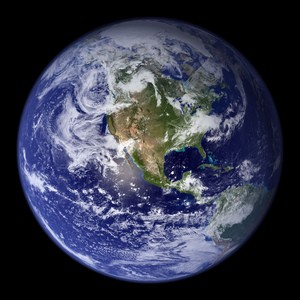
There have been numerous devastating natural disasters in U.S. history. Learn about the phenomenon of climate change, ways to stop global warming, how to save the rainforests, and what historical weather patterns have to do with the world we live in today.
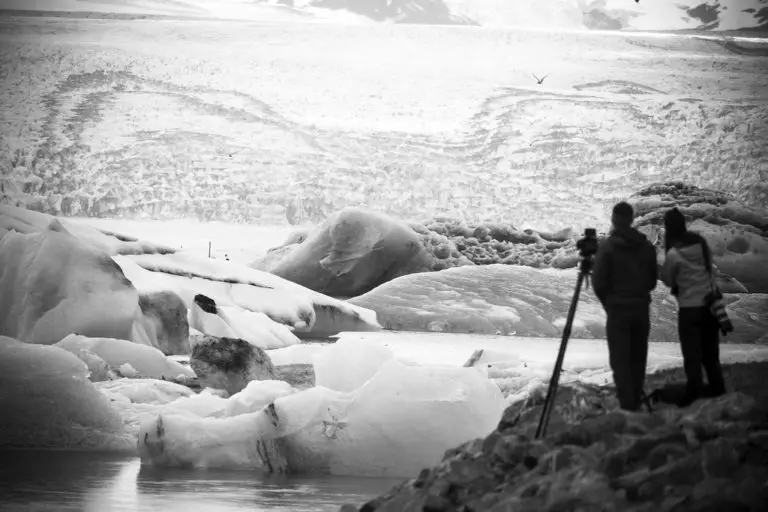
There are some more dramatic climate change pictures -- check out what's melting in Glacier National Park in Montana...

Climate changes are occurring rapidly in many parts of the world, causing significant impacts to the homes and well-being of many types of animals. Now, there is a list of 10 animals scientists are monitoring especially closely as the climate change continues.

Here's some good news -- 2009 was a relatively good year in terms of the climate disaster occurrence numbers. There were fewer climate disasters and fewer deaths because of them in 2009 than in 2008.

Snowicane, snowpocalypse, and snowmageddon are all words to describe the big snow blizzard that struck the United States. Perhaps those words are nothing more than hype, but one thing's for sure: more snow storms are a sign of global warming

NASA's Atmospheric Infrared Sounder is a device that is able to measure greenhouse gases, giving us more information on the agents that many scientists believe is a key aspect of global warming.

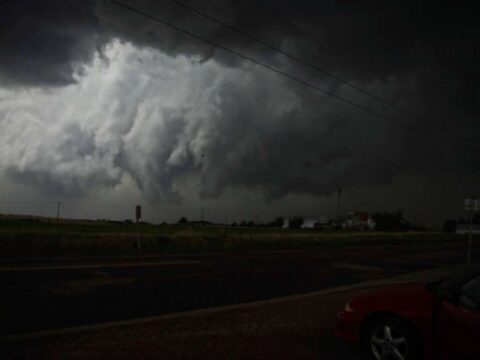
Tornadoes have been striking throughout the course of recorded United States history. But the 10 tornado events known as the deadliest to strike the nation killed people and destroyed homes by the dozens -- and sadly hundreds.

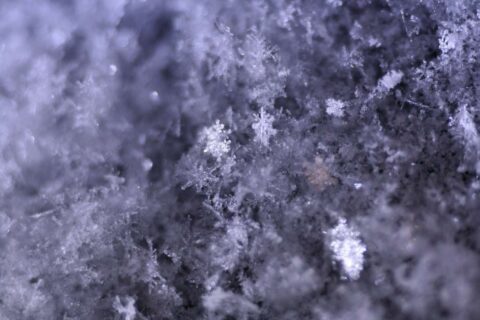
Each snow flake that falls every winter is a unique and delicate work of Mother Nature. While research on snowflakes is still emerging, we didn't know much about snowflakes at all until William Bentley dedicated much of his life to snow flake research a century ago.

You might know about Ben Franklin the inventor, but how about Ben Franklin -- weather pioneer? Yes, Ben Franklin contributed many things to meteorology. His studies of weather patterns and other meteorological phenomena helped further our understanding of weather, with many of his theories and observations withstanding the test of time.

Above-average winter rain and snow will be falling throughout much of the country thanks to an El Nino weather pattern affecting the United States this year. Bundle up and put those rain boots on!

Believe it or not, the effects of global warming could actually cause the next ice age. And it may be sooner than originally thought, according to scientists.

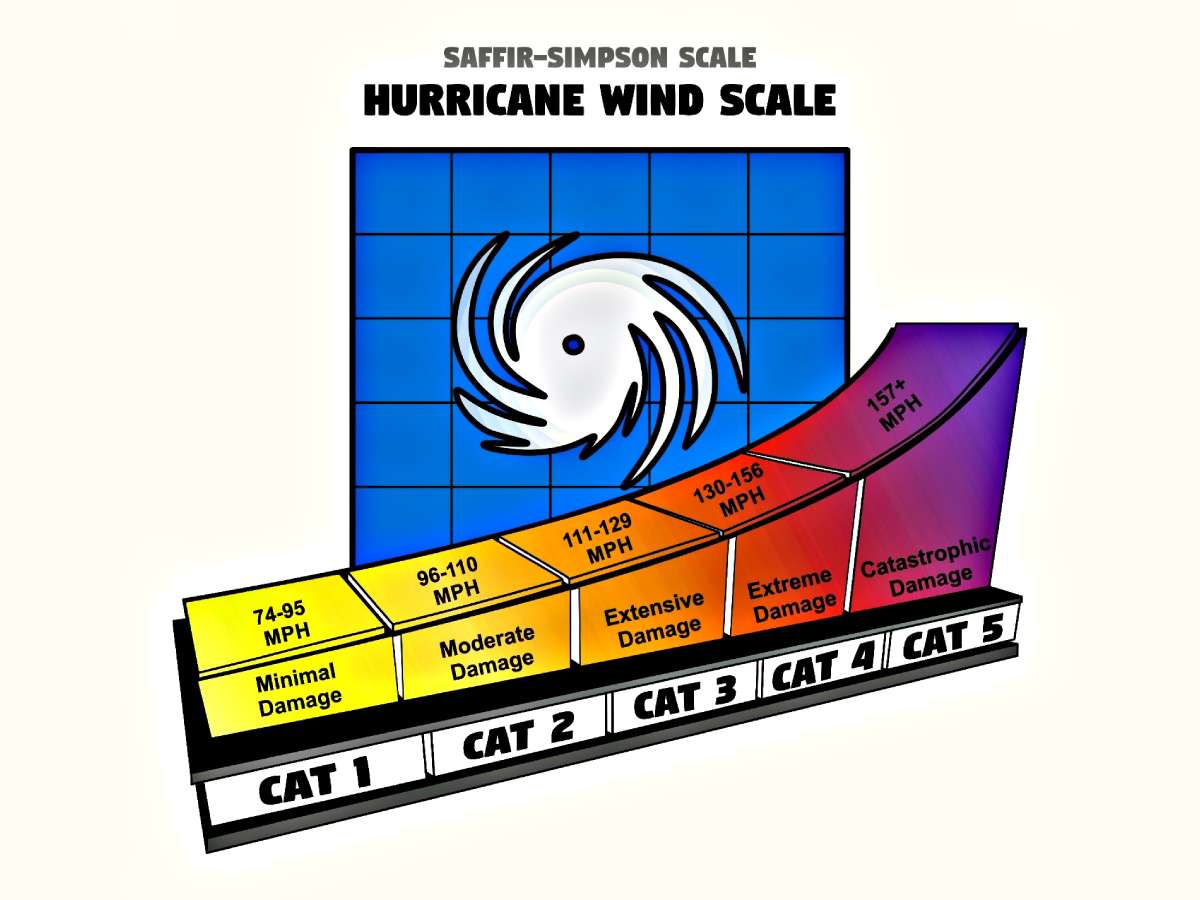
It's December and the 2009 hurricane season is now officially over. It came and went with relatively little in the way of serious weather, at least for most United States citizens. It's never too early to start preparing for the next hurricane season -- which begins June 1st.

Some scientists believe that another Ice Age will happen again someday in the future. However, miniature ice ages -- or short periods of cooling -- can occur due to natural events like volcanoes.

The NOAA reports the Arctic ice cap continues to see melting, rising temperatures, and a thawing future. How does this affect the public's outlook on global warming?

El Nino is a weather pattern which usually peaks during the winter months of the northern hemisphere. This weather pattern involves interaction between the ocean and the atmosphere, resulting in warmer waters in major areas of the Pacific Ocean. When that happens, global weather patterns will be affected.
Old ship logs give us a glimpse of our climate's past. Of course, any look back at the changes our world climate has undergone over hundreds of years is going to spark a debate about global warming.

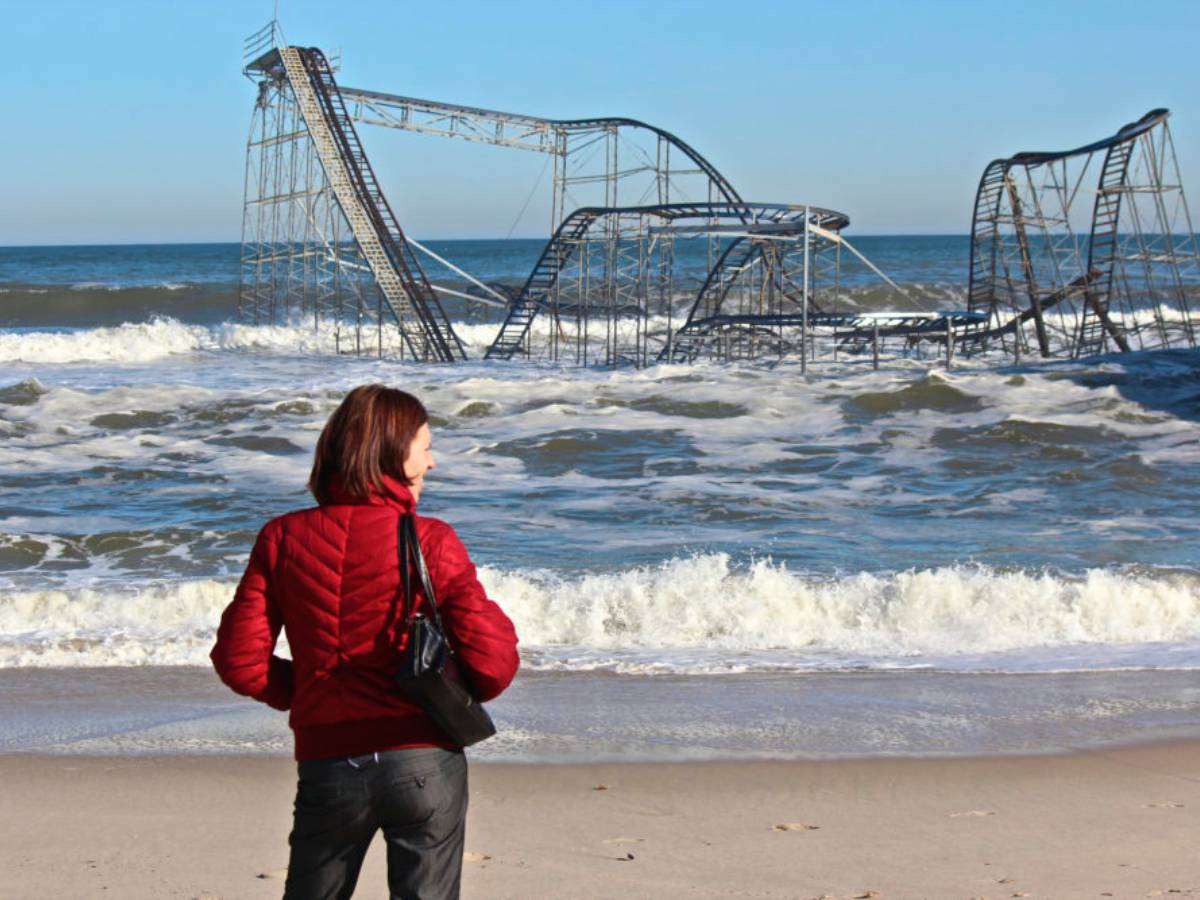
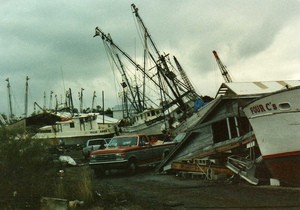
Looking back at the true impact of Hurricane Hugo... the damage and destruction 20 years later.

Who knew that there was a difference between the concepts of alternate fuel and alternate energy? Not many people on Planet Earth! We have made ourselves so dependent upon power from fossil fuel sources, that the entire world is being held captive by a very few oil-rich countries. How did these few sources come to have so much and other countries so little? They got it by eminent domain -- it was on their land when they arrived.
Climate Change is happening, but is it our fault? A recent conference in New York City sought to answer that question. But, the conference was largely ignored by the major media outlets. Why?