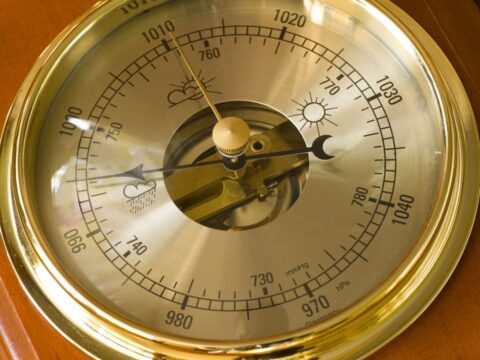
Air humidity refers to moisture in the air. Too much humidity makes it feel muggy and 'sticky' out. Too little humidity may mean dry skin and a 'crisp' feeling outdoors. Air pressure can affect humidity. But how does air pressure affect humidity? Here's a look at the issue of air pressure and humidity in a nutshell: High pressure is a mass of descending (sinking air) and, usually, lower humidity. Sinking air and relatively lower humidity are major reasons why high pressure is … [Read more...]
How Strong Is Hurricane Wind?
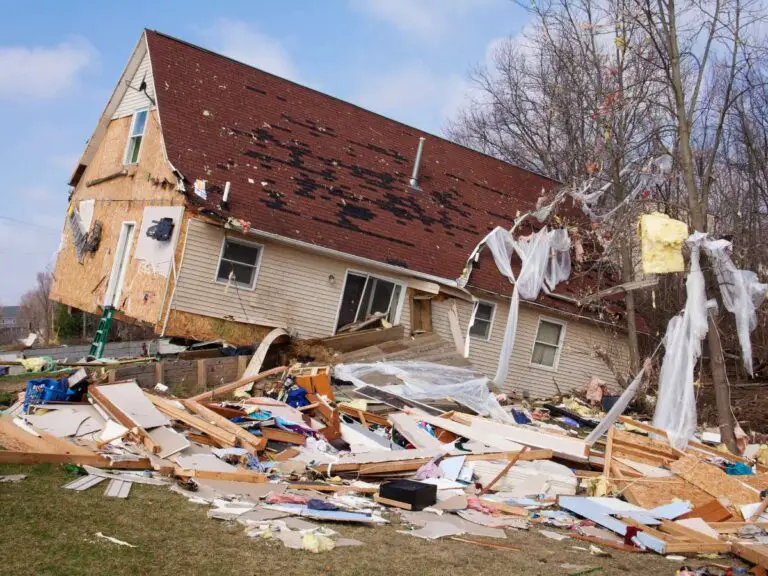
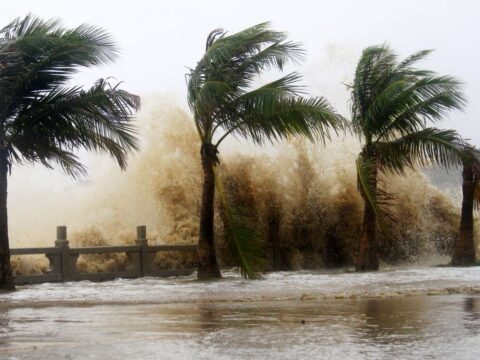
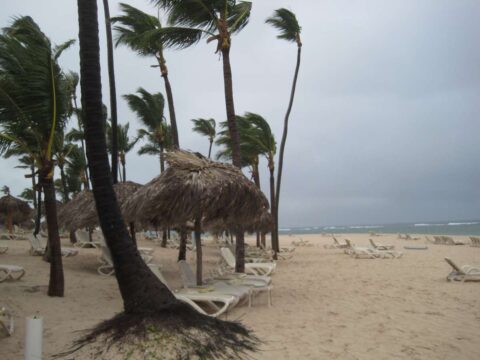
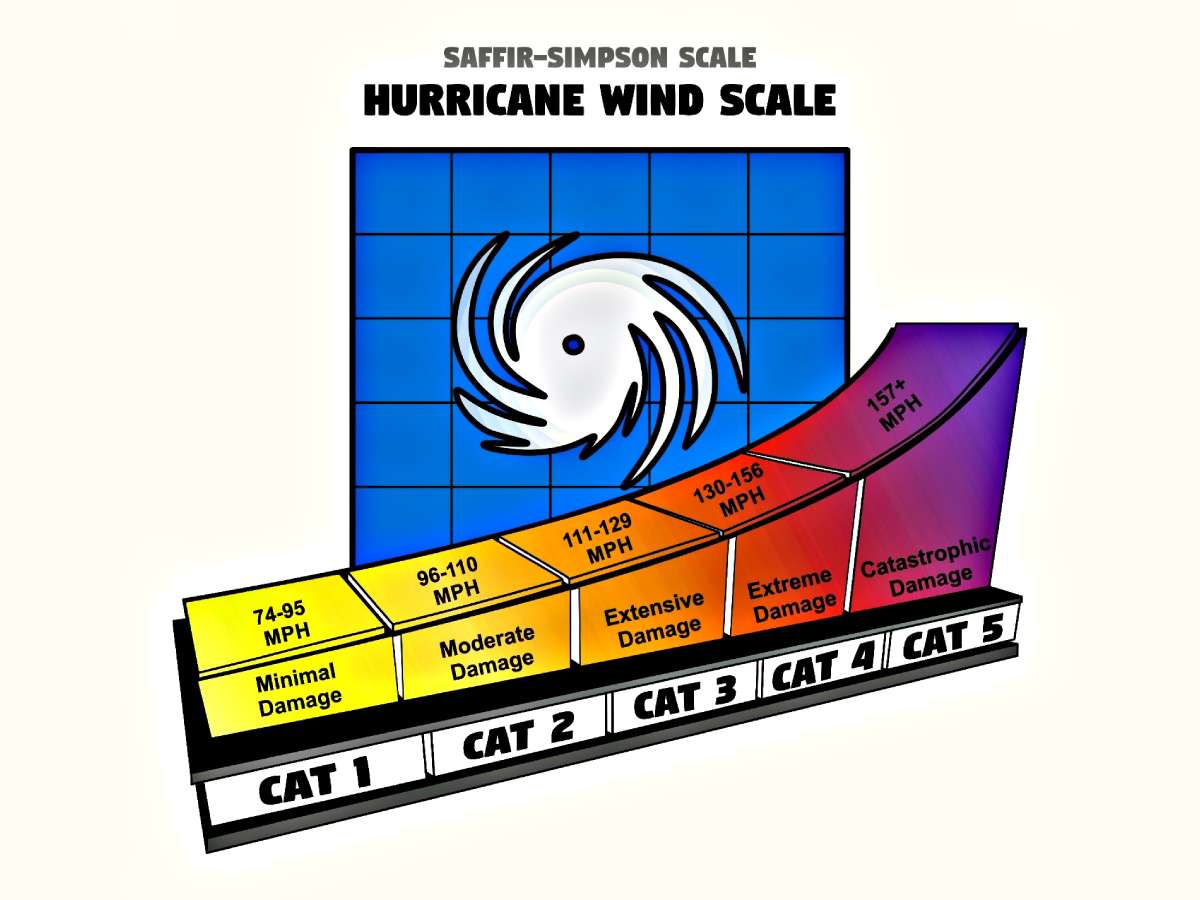
Hurricane wind can do some serious -- even catastrophic -- damage. As we have seen all too often in the past, even when hurricanes don't quite hit land, but stay offshore, the winds of a hurricane can: Do a terrible number on our property Cause serious erosion of our beaches Ceate some bad weather conditions for a few days Maximum sustained hurricane wind speeds must be at least 74 mph or greater. Anything less are not hurricane-force winds. … [Read more...]
The Exosphere: The Transition Between The Atmosphere & Outer Space
The exosphere... sounds like a really far out place, huh? Well, it is. In fact, the exosphere is the outermost layer of our atmosphere. The exosphere is the layer above the ionosphere and starts at the exobase -- somewhere around 300 to 400 miles above ground. The exosphere is the layer where the atmosphere merges into outer space. Air pressure is very, very low, even at the base of the exosphere. In fact, it's in the exosphere were matter can actually escape Earth's gravitational … [Read more...]
Weather 101: What’s An Invest Storm?
Summer time means watching over the horizon for hurricanes. But when the weather forecasters on your local news talk about hurricane data or the possible formation of a hurricane, tropical storm, or tropical depression, they may use the term 'invest.' What does 'invest' mean? The National Weather Service defines an invest storm as an area of weather that has gained the interest of a hurricane or tropical storm system forecast organization (like the National Hurricane Center). It's the type … [Read more...]
What’s The Difference Between Partly Cloudy & Partly Sunny?
Ever wonder what the difference is between the weather being partly cloudy versus partly sunny? While a lot of people have their own notions about what partly cloudy versus partly sunny means, there are some specific definitions from the National Weather Service: Partly Cloudy: About 30% to 70% of the sky is covered with clouds BUT usually refers to sky conditions at night. Partly Sunny: About 30% to 70% of the sky is covered with clouds BUT refers only to sky conditions in the … [Read more...]
Heat Waves: Oppressive & Dangerous Periods Of Hot Weather
Summer weather is hot, but some days during the summer months just get too hot to handle. Those are days when a heat wave takes over and makes things nearly oppressive. Heat waves are long periods of heat and, often, increased humidity. Because a heat wave in one region may be 'usual weather' someplace else, the term 'heat wave' is often relative. Though Florida regularly experiences temperatures of over 90 degrees from June through September every day, a whole week of such weather in New … [Read more...]
How The Jet Stream Influences Weather
You've probably heard about the jet stream, but maybe you aren't exactly sure what a jet stream does. Jet streams play a very important part in determining the type of weather we have. They're currents of wind which meander in the atmosphere 20,000 to 30,000 feet or more above the ground. If you watch your local weather forecast, you'll likely see the jet stream represented as a blue ribbon across the weather map. Because jet streams can drive the weather, meteorologists attempt to … [Read more...]
When’s The First Day Of Summer? It All Has To Do With The Summer Solstice
The summer solstice is an event that has for centuries been helping humankind define -- astronomically -- when summer starts. Occurring on either June 20th or June 21st (depending on the year), the summer solstice happens when the sun rises and sets at its northernmost point.In terms of how long the sun is in the sky, the summer solstice is also the longest day of the year. … [Read more...]
What Are Sun Spots?
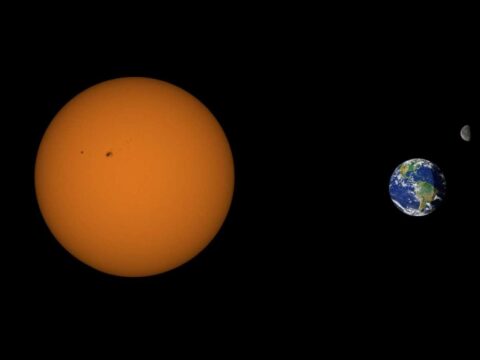
Sun spots... yes, many of us get them as we age. But I'm not talking about the sun spots we get on our skin. No, I'm referring to the spots that occur on the Sun. Sun spots tend to occur in cycles that last about 11 years. The reason sun spots look darker than the surrounding areas of the sun is because the sun spots are only about 6,300 degrees Fahrenheit -- relatively cooler than the rest of the sun's 10,000-degree surface. Sun spots are regions where the magnetic field is particularly … [Read more...]
The Lowdown On Derechos: Strong, Powerful & Deadly Wind Storms
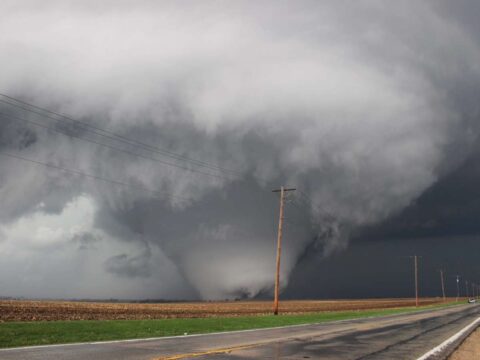
Derechos -- the word sounds kind of like 'tornadoes,' and for good reason. Like tornadoes, derechos refer to strong winds. However, unlike tornadoes, derechos are a type of straight-line wind. Tornado winds, on the other hand, swirl around. The word derecho derives from the Spanish language. While a straight-line wind can mean any wind coming from one direction and going in the opposite direction, derechos most commonly refer to very strong straight-line winds. In fact, wind damage from derechos … [Read more...]
Connect with us